Table Of Content
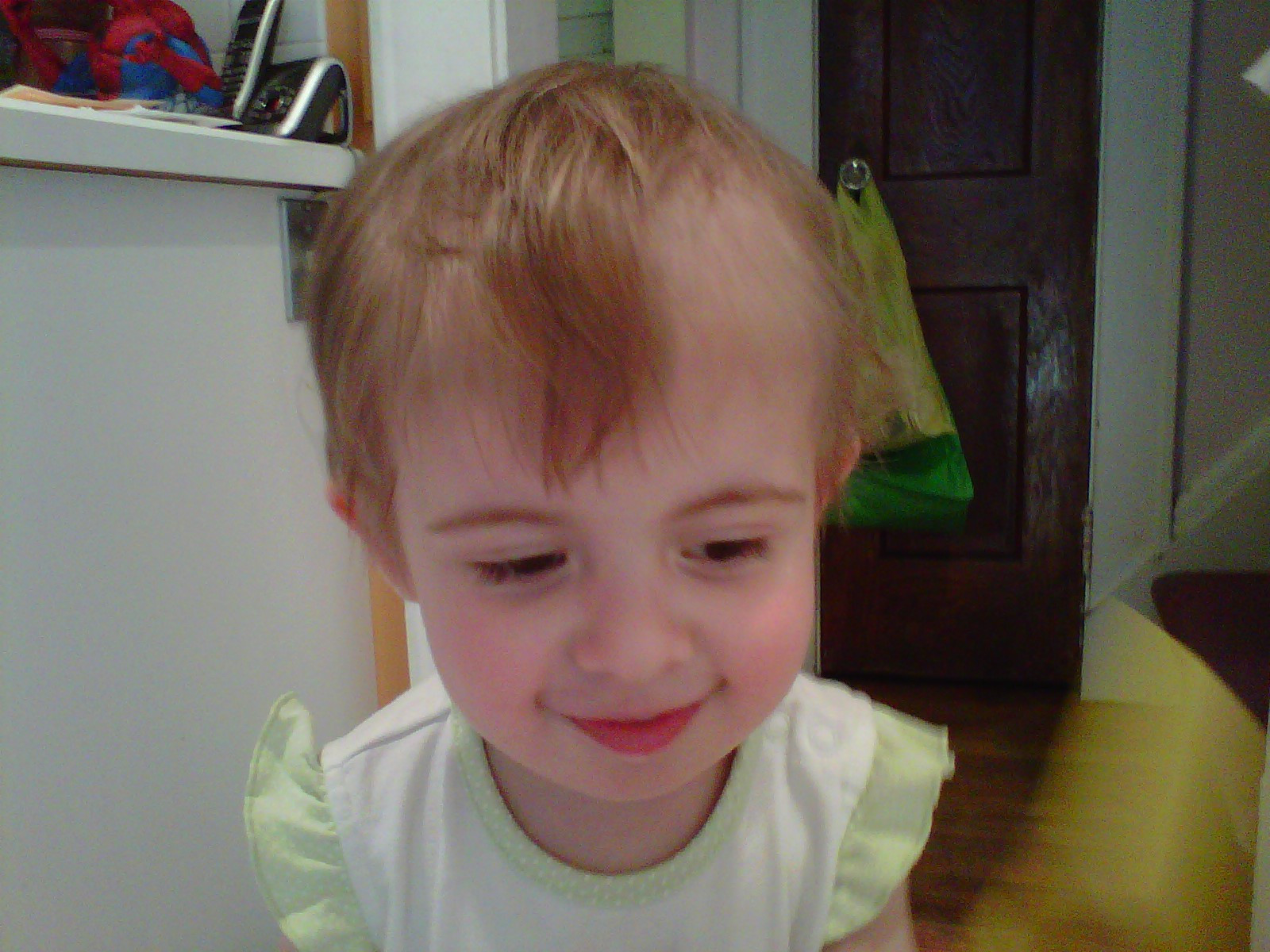
It might also help you feel in control during stressful situations. Most commonly, people with trichotillomania pull out hair from their scalp. They may also pull out their eyelashes, eyebrows, facial hair (like beards or mustaches), or armpit, leg, or pubic hair.
'Dynasty' reboot promises lots of catfights, hair-pulling, and very steamy gay sex - Queerty
'Dynasty' reboot promises lots of catfights, hair-pulling, and very steamy gay sex.
Posted: Fri, 19 May 2017 07:00:00 GMT [source]
What it’s really like spending your 20s with The Wrong Man
The disorder is also thought to share characteristics with impulse-control disorders. Trichotillomania affects up to 2 percent of the population, though only about half of those are thought to receive some form of treatment. For some, a common visual trigger, such as a mirror, may intensify the urge. They did not have the urge to pick or pull until they saw themselves in a mirror and suddenly realized that an area of their skin or hair feels like it needs to be picked or pulled.
Louis van Gaal: Romero's hair pull on Cucurella sees Dutchman's bizarre rant go viral - GIVEMESPORT
Louis van Gaal: Romero's hair pull on Cucurella sees Dutchman's bizarre rant go viral.
Posted: Mon, 15 Aug 2022 07:00:00 GMT [source]
Contrary to porn images, penile thrusting isn't what enhances women's pleasure.
Confide in a friend or loved one so you can start on the path to recovery. And you can find inspiration from those who have publicized their struggles with hair pulling, like Megan Fox and JessiKate Riley (Miss Utah 2017). Some people feel itchiness or tingling in their eyebrows and pull in response. Other people pull or over-pluck their eyebrows because they are worried about how they look or to help themselves deal with stress.
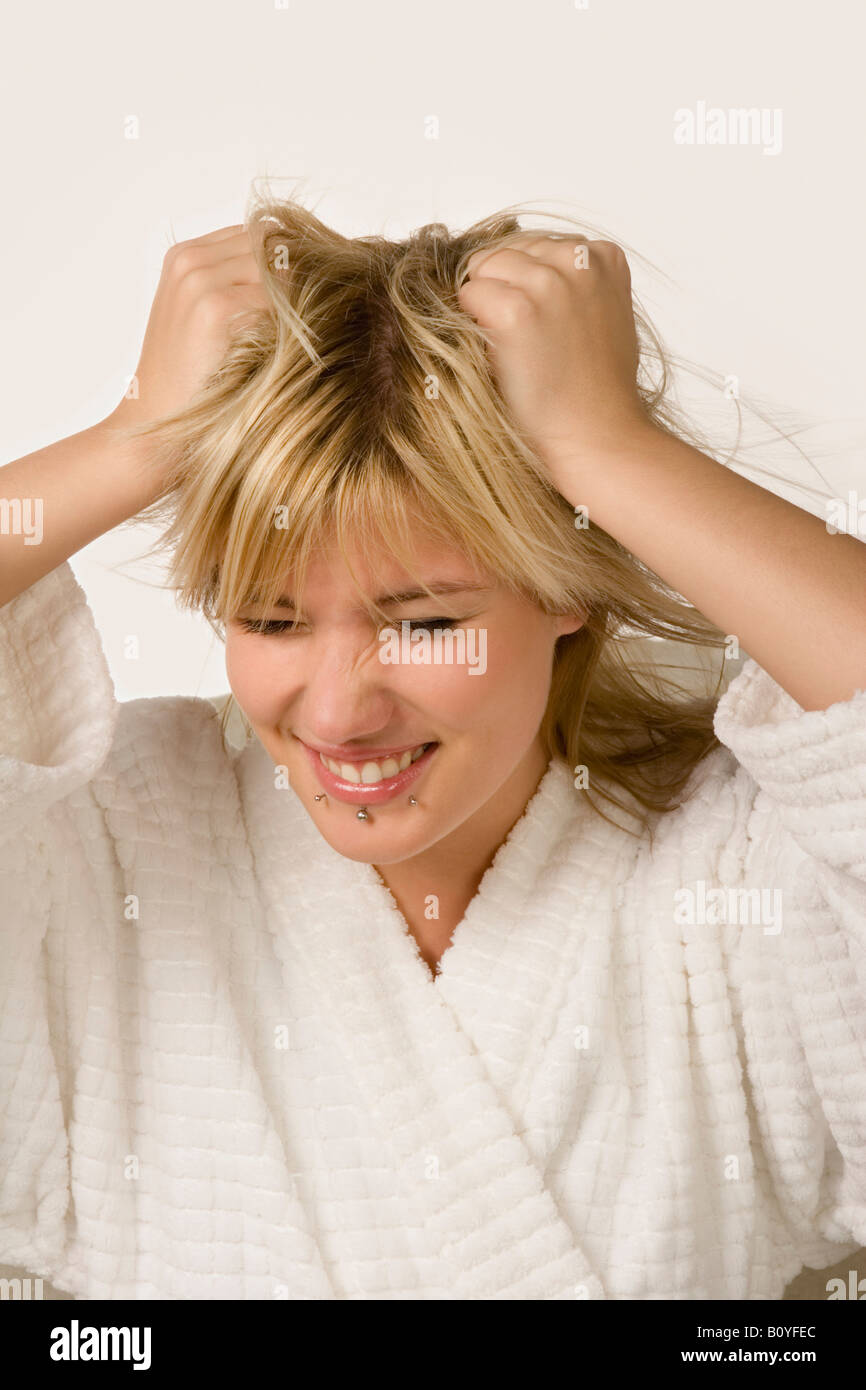
How can Pulling Hair During Sex Causes Damage?
Your doctor might give you certain medications or creams to help eyebrow hair grow back. In some severe cases where eyebrows don't grow back, they might suggest getting permanent eyebrow tattoos or hair transplants. It’s worth noting before you read this that every case of alopecia is different, and so is every sexual experience. Here are a few things I learned personally, based on my version of it. Now, Sexual Hair Pulling is a skill you will develop with experience. It’s not simply aggressively tugging the partner’s hair and expecting them to feel good out of it.
If you want to spice up your BDSM experience in sexual hair-pulling, you should try Hair-bondage. Hair bondage will give you an extra edge to your erotic hair-pulling experience. You can attach your hair to bondage rope or nipple toys in a certain position for extreme pleasure or else it can cause pain. You should always try to grab plenty of hair so that it does not cause any injuries. It's high time that women feel empowered to get the clitoral stimulation they need for pleasure and orgasm, whether that be alone or coupled with penetration.
Need support or more information?
Trichotillomania and diagnosable anxiety disorders also frequently co-occur. Trich is currently classified in the DSM as an obsessive-compulsive or related disorder, which is itself closely related to anxiety. One reason skin picking and hair pulling can be difficult to stop is that the motivations behind them are wide-ranging.
Diagnosis
In general, trichotillomania often co-occurs with other psychological problems, such as anxiety, OCD, or eating, mood, and personality disorders. Trichotillomania can cause physical damage to skin tissue that may lead to infection, especially if tweezers, scissors, or other sharp objects are used to help facilitate hair pulling. The repetitive motions involved may also, in some cases, trigger joint injury or muscle pain. If you are reading this, you have the ability to link up with an online group or work with a therapist via Telehealth. Many people have experienced similar symptoms and have learned how to manage their behavior.
Medical Professionals
Your doctor or mental health professional can help you figure out which ideas might work best for you. Together, you will come up with a personalized plan to treat your trichotillomania. They will work with you to learn and practice different strategies.
Trichotillomania (Hair Pulling)
Often, they pull when they're stressed or bored as a way to soothe themselves. While this study suggests mostly similar perspectives across subgroups, there was still a fair bit of variation in terms of what constitutes rough sex within each group. Further, there are behaviors outside of the list used in this study that some people may consider rough sex (e.g., feeling degraded, name-calling, and so forth). It's important to communicate clearly what you are comfortable and not comfortable with when exploring rough sex with a partner. Not everyone enjoys having their hair pulled, and it can be a trigger for negative responses.
Taking out the 19 percent who don't orgasm, 96 percent of women say their most reliable route to orgasm involves external clitoral stimulation, either alone or coupled with penetration. Just under half of the participants in this study identified tearing clothes off to mean rough sex. Making someone have sex was the least endorsed behavior considered to be rough sex, endorsed by less than one-fifth of study participants. Grab the hair from the back of your partner’s head and avoid the Crown area, unless pre-discussed, as it can get painful.
Exceptions aside, there is an increasing number of Women who find pleasure in this act. Not many people essentially love the involvement of Hair during sex and we are not talking about just the Hair on the head. But it’s a free world and as they say — ‘To each their own.’ Increasingly though, the kinks seem to have risen in the favor of Sexual Hair Pulling, during foreplay as well as sex. Hold your horses, as we shall briefly get into the tips and tricks of it. Overall, seeking professional advice can provide you with the resources and support you need to navigate this situation safely and effectively. Body dysmorphic disorder (BDD) is a mental illness characterized by a persistent preoccupation with at least one perceived defect or flaw in a person’s physical appearance.



No comments:
Post a Comment